Fun Isn’t Frivolous: The Business Case for Joy in Experience Design


Three Key Takeaways

  1. Joy is an employee engagement lever. Not a distraction.
  2. What people feel determines what they remember.
  3. Experiences that create shared joy drive better outcomes.

The question caught us all by surprise.

It was the first time a new executive team was on stage together, and they invited their audience — 800 of the company’s leaders — to ask them anything. We knew questions might be hard-hitting. The execs were prepared.

It came from an attendee in the fourth row.

“So, I was wondering…” he began. “What do you all do for fun?”

The 13 leaders on stage expected questions about financials. Strategy. Compensation. AI. Acquisitions. But fun? Fun wasn’t in the talking points.

The executive team rolled with it. One talked about winning. One opened up about their family. Another about their love of carbs (same). Everyone wanted a turn at the mic. Their eyes lit up. They joked. They relaxed.

And the audience was… captivated.

As the meeting’s creative director, the question surprised me, too. But the reaction didn’t.

Why? Because I believe in the strategy of joy.
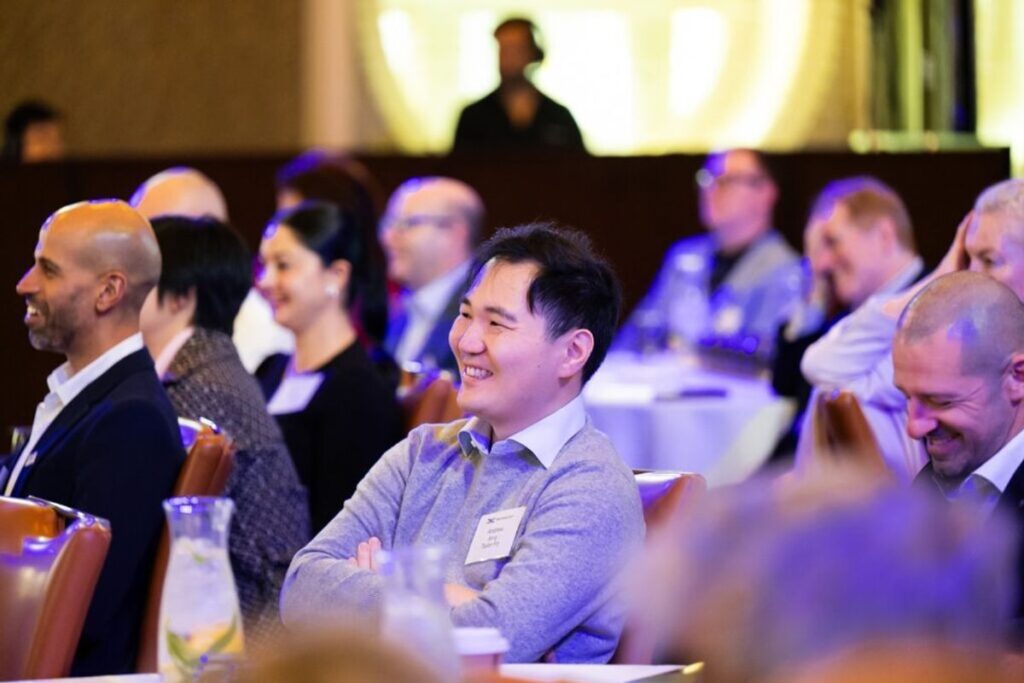
DXC Technology global event series

Even for the most serious of audiences, the most elite leaders, the most professional of professionals, I will pitch ideas designed to make people laugh, connect, sing along, or compete. A mockumentary. A lip sync battle. A funny story about your toddler. The degree and type of fun varies team to team, culture to culture. Context matters. But whatever the form, moments like these help cultivate something deeply powerful: collective joy.  

Sometimes clients resist this, and for valid reasons.

We don’t want to distract the team.

We need to be taken seriously.

We’ve got to hit our numbers before any fun is had.

But fun and joy aren’t frivolous. They are a vital part of gatherings that drive productivity, motivation, and culture (not to mention the ROI of your event).


The Neuroscience of Joy: Why It Drives Results

One of the most fascinating studies on this comes from Nale Lehmann-Willenbrock and Joseph Allen. They videotaped hundreds of meetings, analyzed humor patterns, and examined outcomes. Their finding: laughter leads to more productive, goal-oriented meetings and stronger long-term performance.

In his talks and book on humor in leadership, author Adam Christing describes humor as a “shortcut to trust.”

One study even found that employees who watched a comedy clip before working were 10% more productive than those who just… started working.

There’s also neuroscience at play. When you experience fun and joy, your brain releases dopamine, which is tied to motivation and attention. If your people are having fun, they’re more likely to pay attention to business messages and rally behind your calls to action.

Fun doesn’t derail focus; it creates it.

The effect also goes beyond engagement at the event. Emotion is one of the strongest drivers of what the brain retains and recalls. Moments that spark joy are encoded more deeply than neutral or transactional experiences. In practical terms, when we create moments of joy, we’re doing more than capturing attention in the moment. We’re building memories that carry forward long after the meeting ends, and making sure your messages stick.

Perhaps the most powerful benefit is the way shared joy strengthens culture and connection. I think of watching the Chicago Bears’ epic fourth-quarter comebacks with fans at a bar. Laughing out loud with a packed movie theater. Or how the cast of The Traitors bonds so quickly through a shared game experience.

This is collective joy in action. And when you feel it in a ballroom, you know it. It radiates from the leaders on stage. You can sense you’re in the presence of a community that’s connected, energized, and excited to be together. Research backs this up: teams that have fun together are more engaged, collaborative, and creative.
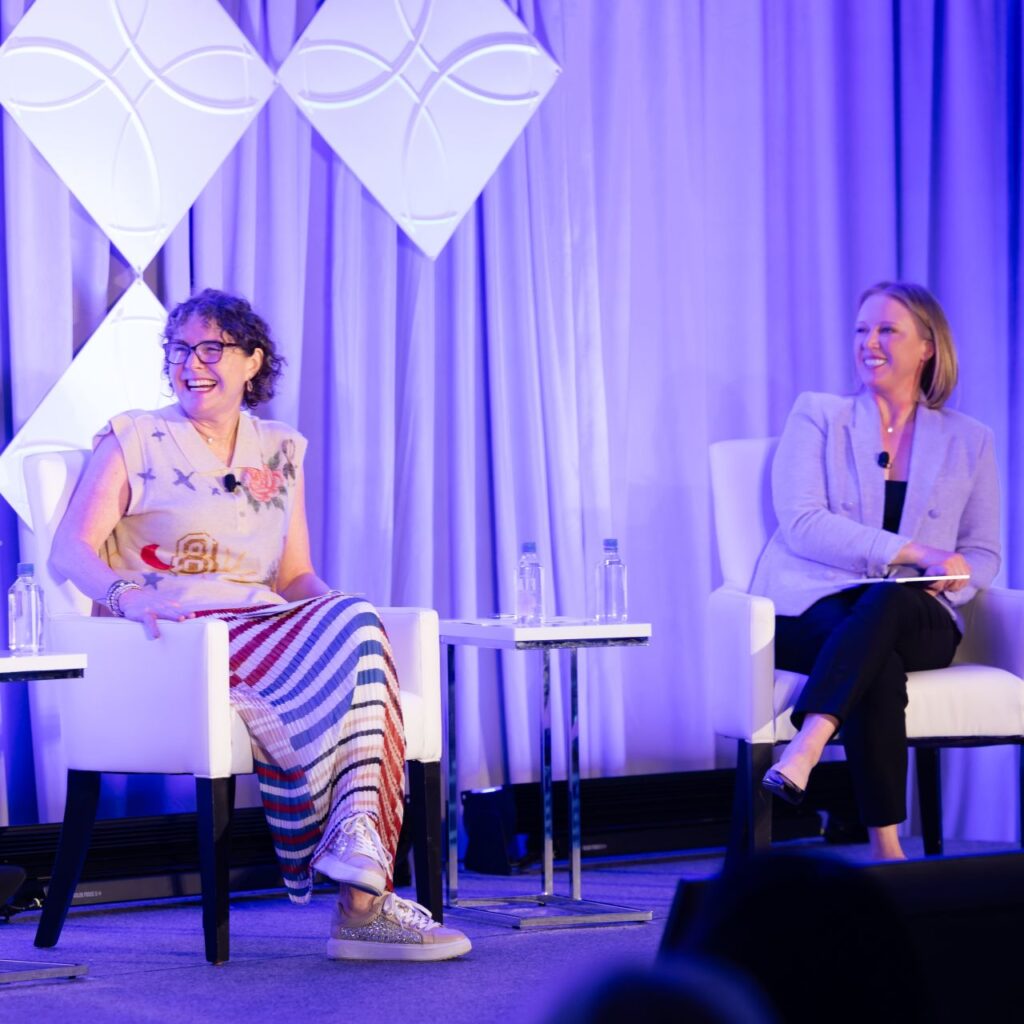
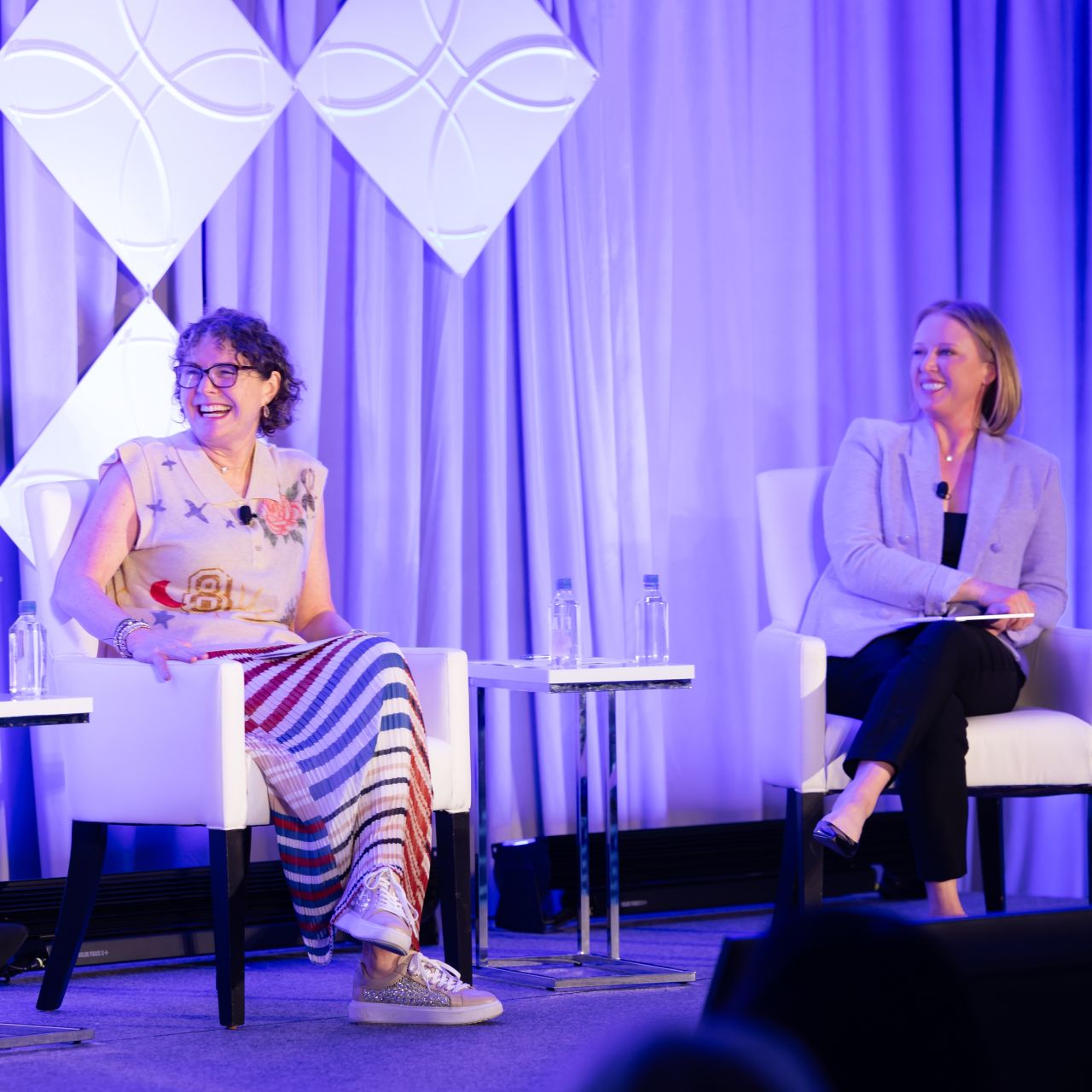
GT Women's Executive Forum event

If You Want Better Results, Design an Experience Employees Will Remember

You can’t manufacture collective joy, but you can design for it. Authenticity, cultural alignment, and thoughtful execution all matter. And the better you understand a team, the more effectively you can create the conditions for it to emerge.  

Like most companies, our clients are navigating change and high-pressure market dynamics. In-person meetings are significant investments. The instinct is often to sideline fun, games, and human stories in favor of serious business topics.

But the clients who see the strongest results — boosts in performance, belief, engagement, and alignment — are often the ones willing to have a little fun along the way. 
The Hidden Cost of ‘We’ll Figure It Out Live’: Why Smart Event Prep Beats Last-Minute Heroics


Three Key Takeaways

  1. Event preparation isn’t a nice-to-have. It’s an ROI multiplier.
  2. The best events are built twice: once behind the scenes, once on stage.
  3. Expertise protects the attendee experience when time is tight.

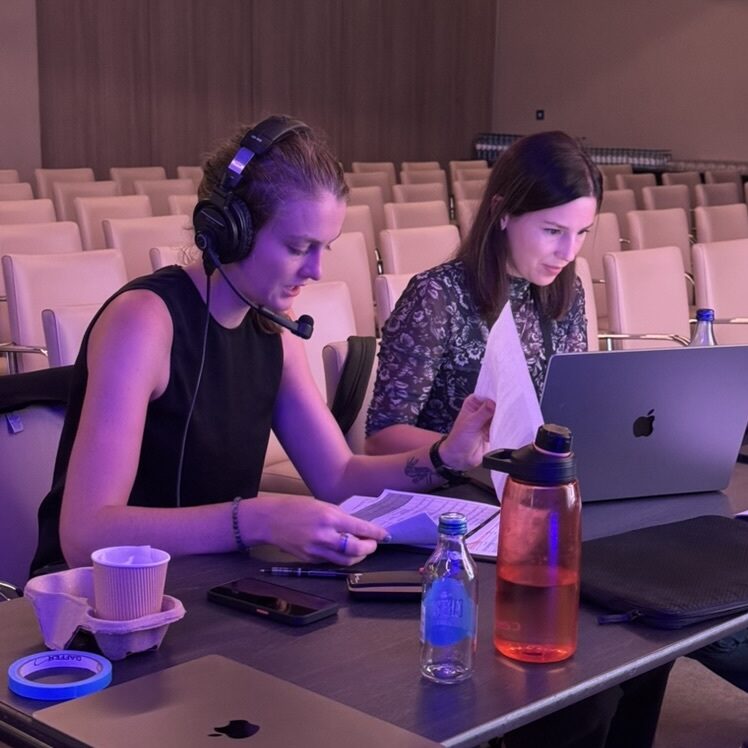
Deloitte partner event production team

The New Reality of Live Event Timelines

Event timelines are shrinking, and so is the margin for error. With tighter budgets, stacked calendars, and fully booked venues, production teams are often working within compressed schedules that leave little or no time for load-in, tech, or rehearsal in the actual space.

The result? More risk, more stress, and an event experience that can feel improvised instead of intentional.

Here’s the reality: the “just do it live” mindset sounds agile, but it’s rarely a viable alternative. If you’re trying something for the first time in show, the element is unfinished by definition. You don’t know its pacing, emotional arc, or operational demands. That includes everything from the timing of a reveal to how long a speaker will actually take once the adrenaline hits.

A rehearsed moment has a defined beginning, middle, and end. An unrehearsed one doesn’t.

For high-stakes events, that uncertainty doesn’t just make the production vulnerable.

It impacts the audience experience and long-term perception of the moment.


What’s at Stake: The Risk You Don’t See

The biggest risks in live events are the ones that stay hidden until show day. When rehearsal time is cut, those hidden issues tend to surface as distractions for your audience: AV glitches, missed transitions, awkward stage cues, confused speakers, unexpected technical hiccups.

None of these moments are catastrophic on their own. But each one breaks audience focus. And once attention slips, the message you’ve worked so hard to deliver starts to lose momentum.

That’s the real cost.

Not embarrassment.

Not stress.

The ability to connect with your audience — the true measure of event success.

When an event runs smoothly, people stay present and emotionally engaged. When something goes wrong, that connection fractures. This is why a flawless show depends on preparation: the walkthroughs, simulations, rehearsals, and contingency planning that happen long before doors open.

That unseen effort is what ultimately protects your investment.

TL;DR: Sometimes you plug things in and they just don’t work. And by then, it’s too late.


How AJ Protects the Experience When Time Is Tight

Preparation is an event ROI multiplier. That’s why AJ’s event team has engineered production tools and systems that protect quality even when time is limited.

Visualization before execution (Pre-vis)

AJ uses screen guides and graphics run-of-show tools to map every cue, transition, and content shift before load-in. This allows design, video, and production teams to identify potential issues before we step into the venue.

Simulation-based show planning

When physical rehearsal time is limited, we run “show simulations” — collaborative sessions where creative, design, and technical leads walk through the entire experience on paper. These sessions drive alignment, reduce risk, and ensure flawless execution once we hit the stage.

Technical excellence

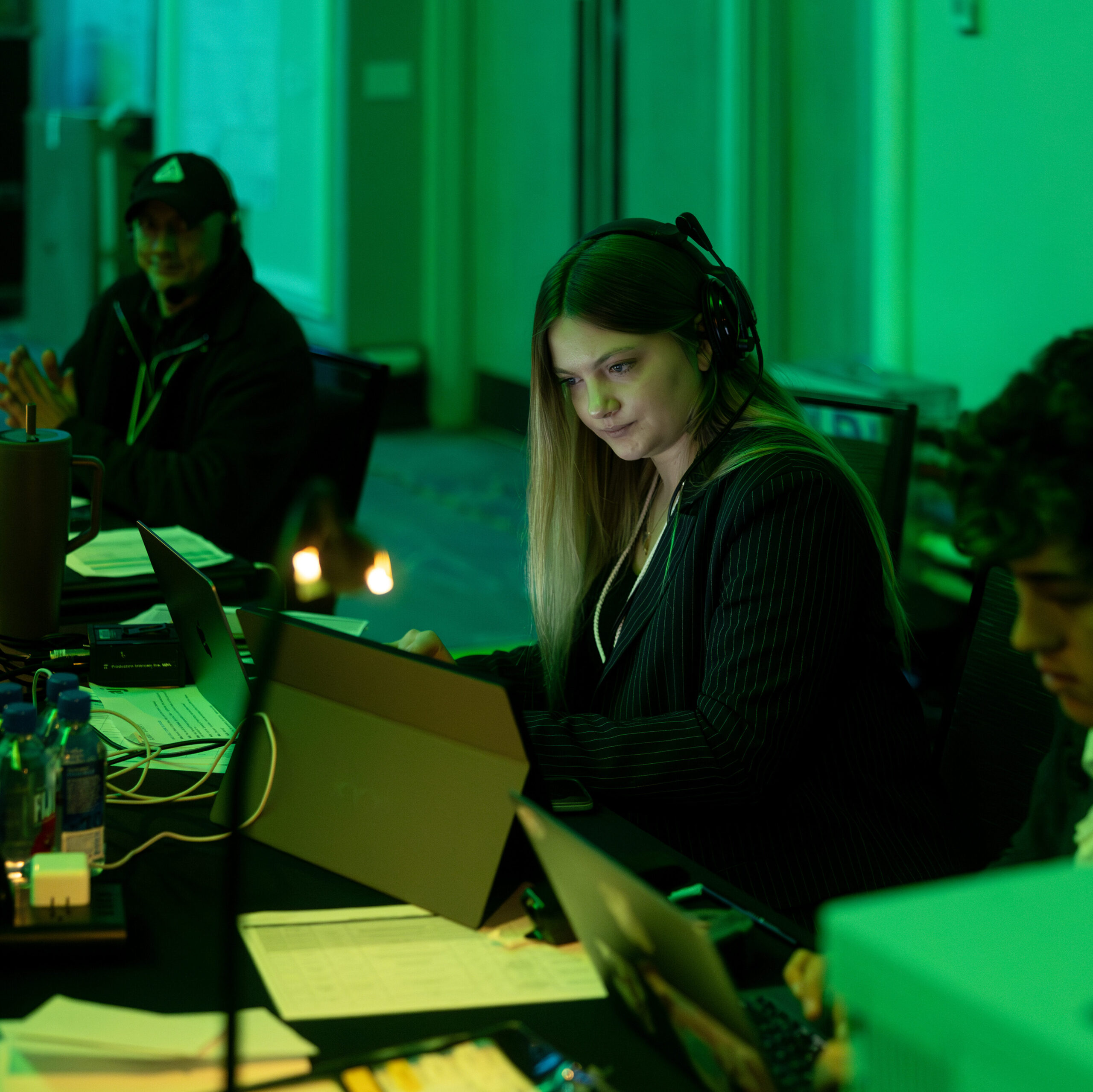
Compressed timelines and schedules demand expertise. Our technical directors, lighting designers, production riggers, and stage managers know how to problem-solve on the fly for a multitude of scenarios and pivot when needed under pressure.

AJ team at a global corporate event

Real-World Example: Building Readiness Even When the Venue Isn’t Ready

The Event: A partner meeting for a global consulting firm

The Challenge: The ballroom wasn’t available. The venue was still under construction. And the schedule allowed almost no time for rehearsal on the actual stage.

The Solution: Instead of waiting, AJ created a new path to preparation, running a fully simulated show before the space was even ready. Using our event graphics guide, our creative, design, and production teams pre-planned every cue and transition while the stage was still being built.

The event’s opening moment required nearly 50 people to move in a complex pattern on stage. To prepare, we taped out a full replica of the stage in the Expo Hall — confidence monitors, camera marks, and all — and rehearsed with participants to maximize the limited time we would eventually have on the real stage.

By the time the ballroom was ready, the show had already built muscle memory.

The Result: A confident client, calm speakers, and a standout opening moment delivered with zero surprises because the hard work had already happened behind the scenes.


Recap: Three Principles That Shape Standout Event Experiences

The most memorable events look effortless, but we all know that’s not the case. Here are the event production principles that our team lives by:

  1. Preparation isn’t a nice-to-have. It’s an ROI multiplier. Every hour spent planning, simulating, or rehearsing is insurance on your investment. Preparation reduces risk, sharpens delivery, and elevates the experience your audience remembers.
  2. The best events are built twice: once behind the scenes, once on stage. The difference between world-class events and average ones is in the details. Every cue, transition, and preset builds confidence for presenters, producers, and attendees.
  3. When time is short, expertise matters most. When schedules and timelines are compressed, detail-minded experts become your safeguard. Skilled operators, technical directors, stage managers, and production partners buy back control, confidence, and consistency when time is limited.

In summary

With time to rehearse and prepare, delivery improves and the story gets stronger. When presenters feel familiar with the environment, flow, equipment, and team, nerves settle and confidence rises.

These are the conditions that allow them to focus on what matters most: connecting with the audience.

Because event preparation isn’t just about logistics. It’s about people.

Preparation creates calm for presenters, confidence for producers, and clarity for attendees. When everyone feels supported and ready, the room changes. The energy shifts. And the moment becomes memorable for all the right reasons. That’s the magic our team works to deliver every day.